

Short Answer
The spindle center taper on a lathe machine is the precision tapered hole inside the spindle that accepts a matching center or other taper-shank accessory. It is commonly specified by a standard taper size, such as Morse Taper (MT). When a center is inserted into the spindle taper, the matching tapered surfaces provide accurate alignment with the spindle axis and a secure fit without complicated clamping. This is especially useful when a workpiece is machined between centers. The spindle center taper should not be confused with the spindle bore or spindle nose: the bore determines the size of material that can pass through the spindle, while the spindle nose determines how the chuck or faceplate is mounted.
Where Is the Spindle Center Taper?
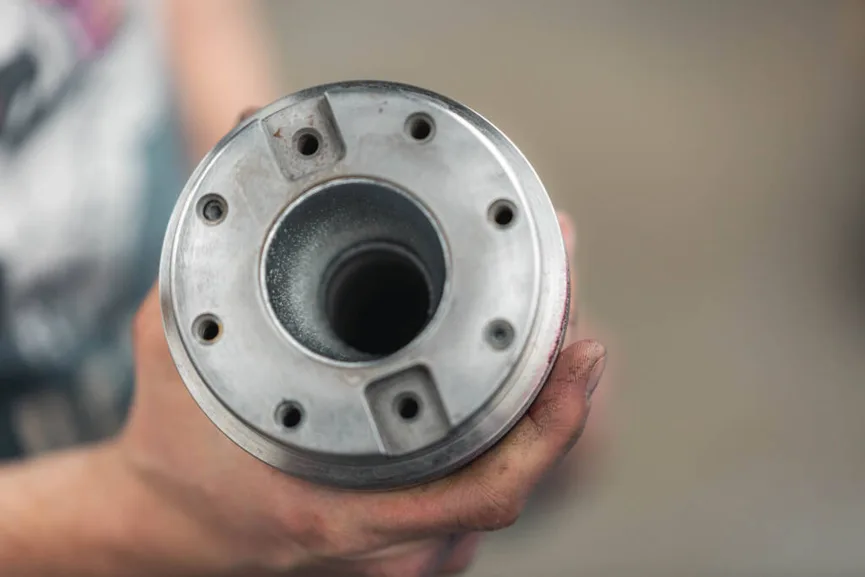
The spindle center taper is located inside the front end of the spindle.
A matching center can be fitted into this tapered surface so that its tip remains accurately aligned with the spindle rotational axis. Together with the tailstock center, it can support a shaft for turning between centers.
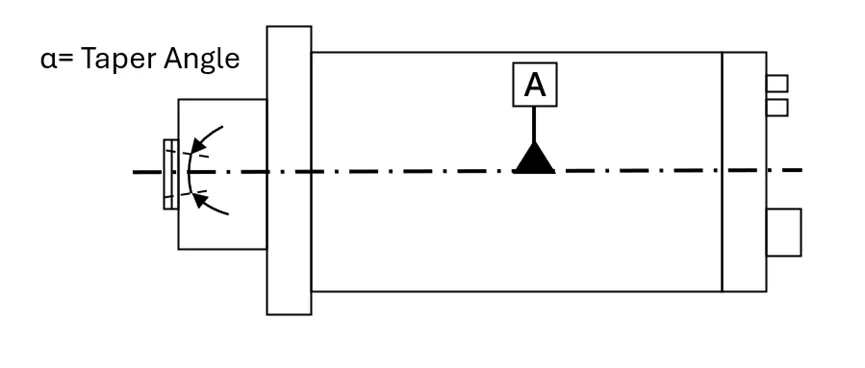
A typical arrangement is:
Headstock → Spindle → Spindle Center Taper → Center → Workpiece → Tailstock Center
Common Spindle Center Taper Types
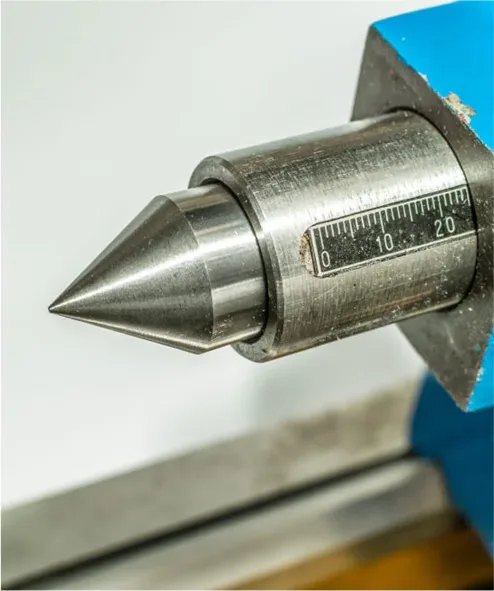
The Morse taper, developed by Stephen A. Morse in the mid-19th century, is widely used in drill presses, lathes, and milling machines. Its self-holding design means the tool remains firmly in place without needing a drawbar, making it ideal for light- to medium-duty applications where quick tool changes are necessary. Morse tapers are available in eight sizes, from MT0 to MT7.
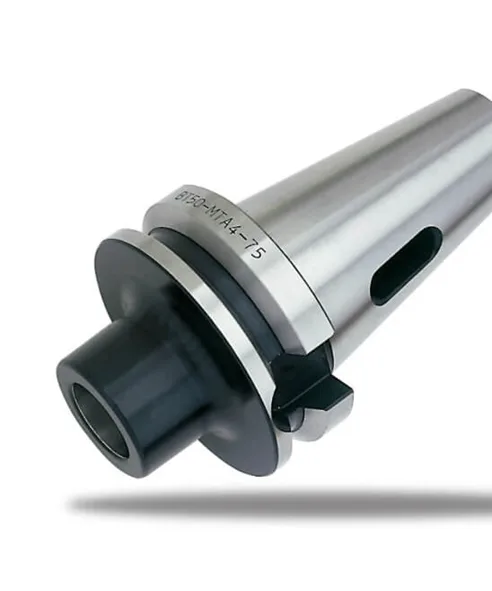
BT (British tapers) are similar to CAT tapers but have symmetrical flange and body dimensions, enabling them to be used in both manual and automatic tool changers. They are available in sizes like BT30, BT40, and BT50 and are commonly used in CNC machines.
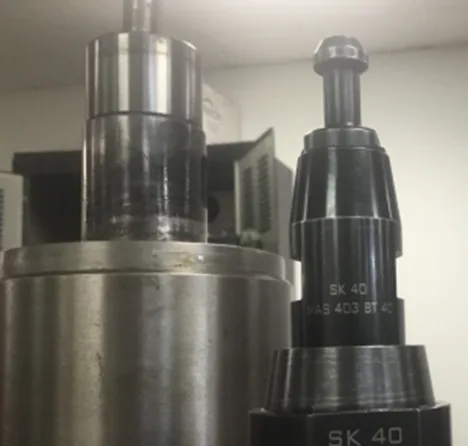
A larger taper does not automatically mean a better machine. It simply needs to match the machine’s spindle design and intended application.
Spindle Center Taper vs Spindle Bore vs Spindle Nose
These three specifications describe different parts of the spindle and should not be confused.
| Parameter | What It Describes | Why It Matters |
| Spindle Center Taper | Tapered seat for a center/accessory | Center alignment and mounting |
| Spindle Bore | Through-hole inside the spindle | Maximum bar/pipe passage |
| Spindle Nose | Front mounting interface | Chuck and faceplate compatibility |
For example, a buyer machining long bars may pay more attention to spindle bore diameter, while a workshop frequently turning shafts between centers should also check the spindle center taper.
Why Does Spindle Center Taper Matter?
The spindle center taper directly affects how the center fits and aligns with the spindle axis.
A correctly matched and clean taper helps provide:
Before installation, both taper surfaces should be clean and free from chips, burrs or damage. Even small contamination can affect seating accuracy.
Example: Selecting a Lathe for Shaft Machining
Suppose a workshop needs to machine a long steel shaft between centers. Besides checking swing over bed, distance between centers, spindle bore and spindle speed, the buyer should confirm the spindle center taper and tailstock taper.
The centers and machine tapers must be compatible with the required setup.
Buyer Checklist
Before purchasing a lathe, confirm:
These parameters together determine whether the lathe can properly accommodate your workpiece and tooling.
At Anyang Xinheng Machine Tool, conventional lathes, CNC lathes and pipe threading lathes are available in different spindle configurations for various turning applications.
For machine selection, provide your workpiece diameter, length, material and machining requirements so that the appropriate spindle and lathe configuration can be recommended.